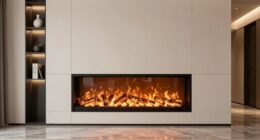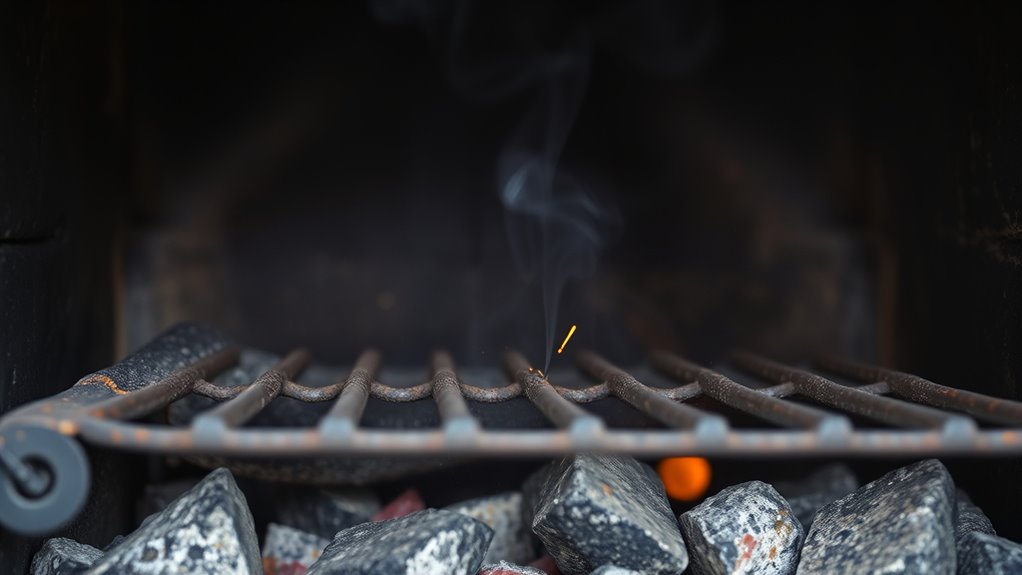
A squeaking or grinding noise coming from your fireplace often means there’s friction or debris affecting moving parts like the blower, damper, or vent system. It could be caused by lack of lubrication, rust, or misalignment of components. Regular maintenance, cleaning, and lubrication usually fix these issues. However, if the noise persists or seems serious, it’s best to inspect further or call a professional. Keep looking to learn more about troubleshooting your fireplace sounds.

Get home appliances delivered free — and shop member deals
- Fast, free delivery on millions of items
- Access to Prime Big Deal Days deals on October 6–7
- Prime Video, Amazon Music and more included
Key Takeaways
- Squeaking or grinding sounds often result from lack of lubrication or friction in blower or damper components.
- Rust, debris, or misalignment in vent mechanisms can cause grinding noises in your fireplace.
- Temperature fluctuations may lead to metal expansion/contraction, producing squeaking sounds during heating or cooling.
- Regular inspection, cleaning, and lubrication help prevent or reduce these noises.
- Persistent or unusual noises should be checked by a professional to avoid further damage or safety issues.
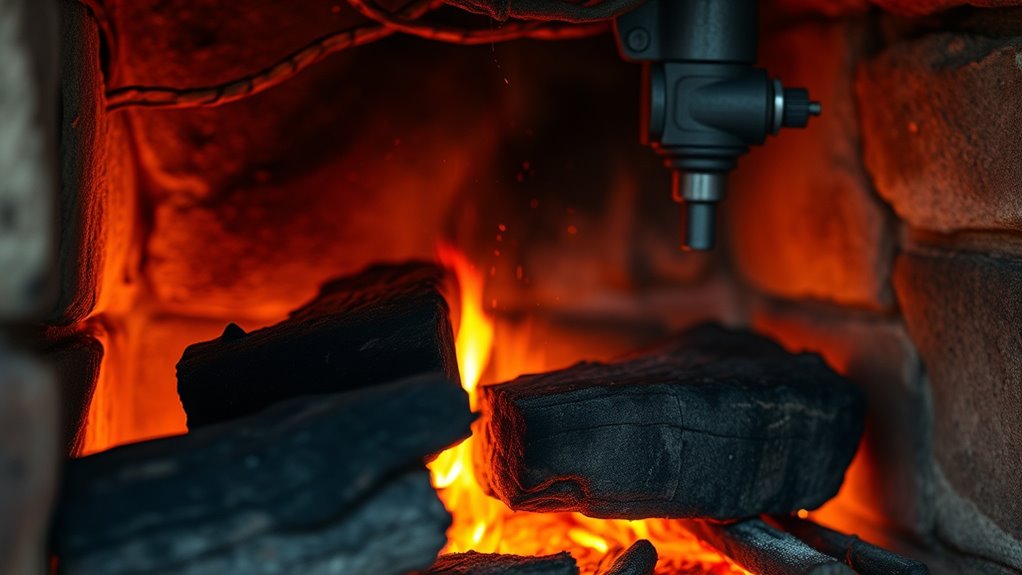
Have you ever noticed strange noises coming from your fireplace? If you’ve heard a squeaking or grinding sound, it’s natural to feel concerned. These noises often point to issues that need attention, but they’re usually fixable with some basic fireplace maintenance and noise troubleshooting. Addressing these sounds promptly can prevent more serious problems down the line and ensure your fireplace operates safely and efficiently.
First, think about what might be causing the squeaking or grinding. Many times, the culprit is friction within moving parts or components that haven’t been properly maintained. For example, if your fireplace has a blower or fan, the squeaking could be due to dust buildup or a lack of lubrication. Over time, the fan’s bearings or motor parts may wear out or become misaligned, creating noise as they spin. Regular fireplace maintenance, including cleaning and lubricating these parts, can often eliminate these sounds. It’s a good idea to inspect the blower assembly periodically and apply a high-temperature lubricant where needed.
Regularly inspect and lubricate your fireplace blower to eliminate squeaking and ensure smooth operation.
Another common source of grinding noises is the damper or vent mechanism. If you hear a grinding sound when opening or closing the damper, it could be due to rust or debris interfering with smooth movement. In this case, noise troubleshooting involves checking the damper’s tracks or hinges for obstructions and removing any debris or rust. Sometimes, simply applying a bit of lubricant to these parts restores smooth operation and silences the grinding. If rust has caused significant damage, replacing the damper or hinges might be necessary to prevent further issues.
The firebox itself can also produce noises if there’s accumulated creosote or debris that interferes with the normal flow of air or the operation of internal components. While creosote buildup is more related to maintenance and safety, it can sometimes cause unusual sounds if it’s thick or unevenly distributed. Regular chimney cleaning and inspection are essential parts of fireplace maintenance. Removing creosote and debris not only reduces noise but also lessens fire risks and improves efficiency.
Additionally, metal components expanding and contracting with temperature changes can generate squeaking or popping sounds, especially during cold starts or after a long burn. These noises are generally harmless but can be minimized by ensuring your fireplace is properly maintained and inspected regularly. If the sounds persist or seem abnormal, consulting a professional for noise troubleshooting can help identify underlying issues before they develop into bigger problems. Proper fireplace maintenance not only keeps your unit functioning smoothly but also enhances safety and longevity.
fireplace blower lubrication kit
As an affiliate, we earn on qualifying purchases.
As an affiliate, we earn on qualifying purchases.
Frequently Asked Questions
Can Fireplace Noises Indicate a Dangerous Problem?
Yes, fireplace noises can indicate a dangerous problem. Squeaking or grinding sounds might signal issues with the blower, fan, or internal components, which could lead to fire hazards or carbon monoxide leaks. Regular fireplace maintenance helps identify these problems early. Always follow safety precautions, such as turning off the fireplace and consulting a professional if you notice unusual noises, to guarantee safe operation and prevent potential dangers.
How Often Should I Inspect My Fireplace for Noise Issues?
You should inspect your fireplace regularly, ideally before each use, to catch noise issues early. Incorporate routine fireplace maintenance and noise detection checks to guarantee everything functions smoothly and safely. Look for signs of squeaking or grinding sounds, which can indicate worn parts or other problems. Regular inspections help prevent potential hazards, save money on repairs, and keep your fireplace operating efficiently. Don’t wait—staying proactive is key to safe fireplace use.
Do Different Types of Fireplaces Produce Different Noises?
Yes, different fireplace types produce distinct noise characteristics. Gas fireplaces often emit a gentle hissing or popping sound, while wood-burning models may create crackling or creaking noises as the fire burns and the wood shifts. Electric fireplaces usually operate quietly, but you might hear faint buzzing. Understanding these typical sounds helps you identify normal operation versus potential issues, so you can address any unusual noises promptly.
Can Noise Be Caused by Improper Installation?
Like a ship’s creak in a quiet night, improper installation can cause your fireplace to make noise. If your chimney draft is weak or venting issues exist, they can lead to squeaks and grinding sounds. These problems often stem from incorrect placement or loose components. Ensuring proper installation, sealing, and venting checks can eliminate these noises, making your fireplace safe and quiet. Always consult a professional for precise setup.
Are There Specific Signs That Suggest a Professional Inspection Is Needed?
If you notice persistent squeaking or grinding noises, it’s time for a professional inspection. Signs like increased noise during operation, unusual odors, or difficulty lighting your fireplace indicate you need expert help. Regular fireplace maintenance can prevent issues, and a professional noise diagnosis guarantees your fireplace operates safely and efficiently. Don’t ignore these signs—address them promptly to avoid costly repairs and keep your fireplace in top condition.
As an affiliate, we earn on qualifying purchases.
Conclusion
So, next time your fireplace serenades you with squeaks or grinds, just imagine it’s auditioning for a rock band. Maybe it’s trying to tell you it’s tired of being a cozy centerpiece and wants to hit the road. Or perhaps your fireplace’s version of a lullaby comes with a built-in percussion section. Either way, a little maintenance now can save you from a fiery symphony—or a very expensive concert.
As an affiliate, we earn on qualifying purchases.
As an affiliate, we earn on qualifying purchases.
Fall yard work Picks
leaf blowers
As an affiliate, we earn on qualifying purchases.