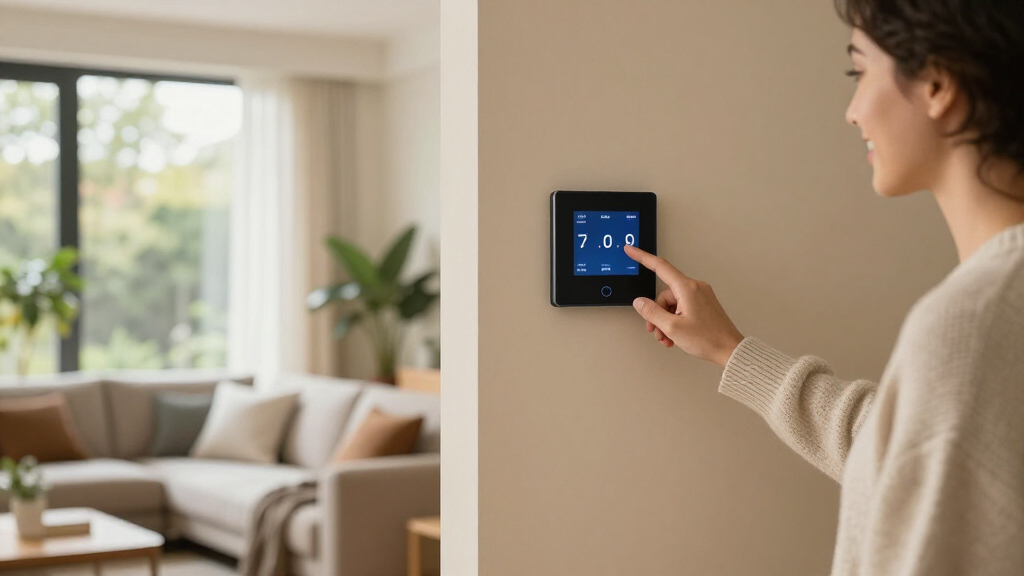

Smart home thermostats can trim heating and cooling bills by roughly 8–15%, but the right pick depends heavily on your HVAC wiring, your voice assistant of choice, and how much automation you actually want. The ecobee Smart Thermostat Premium earns my best overall spot for its built-in smart sensor, onboard Siri and Alexa, and the strongest room-by-room temperature balancing in this lineup. Budget buyers get nearly the same savings with the Amazon Smart Thermostat, while Google’s Nest Thermostat remains the cleanest option for Alexa-averse, Android-first households. The main tradeoff you’ll face: premium sensors and air quality features versus sub-$100 models that do the scheduling basics just as well. Read on for the full breakdown, including which models quietly require a C-wire and which support the new Matter standard.

Get home appliances delivered free with Prime
- Fast, free delivery on millions of items
- Prime Video, Amazon Music and more included
- Member-only deals all year
Complete the kit



Key Takeaways
- The amazon.com/dp/B09XXS48P8?tag=electricfireplacehq-20&ascsubtag=dc-717794″ target=”_blank” rel=”nofollow sponsored noopener”>ecobee Smart Thermostat Premium and its Enhanced sibling dominated the top spots because remote sensors solve the single biggest complaint in this category: uneven temperatures between rooms.
- Every full-featured color touchscreen model in this roundup (Honeywell RTH9585WF, RTH9600WF, X7S) requires a C-wire, while battery-powered picks like the Sensi ST55 and Nest Thermostat can often run without one — this compatibility detail eliminated more options for buyers than price did.
- Sub-$100 models (Amazon Smart Thermostat, Sensi Lite, ecobee Essential) deliver 80% of the energy savings of premium picks; what you lose is sensor support, air quality monitoring, and premium materials.
- The Meross Matter thermostat is the only pick here built natively on Matter, making it the safest bet for households mixing Apple, Google, and Alexa devices — but its app experience trails the established brands.
- The three Nest Thermostat colorways (Sand, Charcoal, Snow) are identical hardware, so shoppers should compare prices across all three listings before buying.
| ecobee Smart Thermostat Premium |  | Best Overall | Energy Savings: Up to 26% annually | SmartSensor: Included (~$50 value) | Voice Assistants: Siri and Alexa built-in | VIEW LATEST PRICE | See Our Full Breakdown |
| ecobee Smart Thermostat Enhanced |  | Best Value for Smart Features | Compatibility: Supports 90% of HVAC systems | Energy Savings: Up to 26% annually | Connectivity: Wi-Fi | VIEW LATEST PRICE | See Our Full Breakdown |
| Amazon Smart Thermostat |  | Best Budget Pick | Compatibility: Works with Alexa and Ring | C-Wire Required: Yes | Energy Savings: Up to $90 annually | VIEW LATEST PRICE | See Our Full Breakdown |
| Honeywell Home T5 Smart Wi-Fi Thermostat |  | Best for Geofencing | Scheduling: 7-day flexible scheduling | Automation: Geofence-based adjustments | Connectivity: Wi-Fi | VIEW LATEST PRICE | See Our Full Breakdown |
| Honeywell Home RTH9585WF Wi-Fi Smart Color Thermostat |  | Best Touchscreen Display | Model: RTH9585WF | Display: Customizable color touchscreen | Connectivity: Wi-Fi | VIEW LATEST PRICE | See Our Full Breakdown |
| Honeywell Home X2S Smart Wi-Fi Thermostat, White |  | Best for Matter-Centered Smart Homes | Connectivity: WiFi 2.4 or 5GHz (802.11 b/g/n) | Compatibility: Up to 2H/2C conventional, 2H/1C heat pump, hot water, forced air (gas, oil, electric) | Power: C-wire required (24 VAC) | VIEW LATEST PRICE | See Our Full Breakdown |
| Google Nest Thermostat – Smart Thermostat for Home – Programmable Wi-Fi Thermostat – Sand |  | Best for Google Households | Energy Star Certified: Yes | Connectivity: Wi-Fi | Control: Google Home app, voice control | VIEW LATEST PRICE | See Our Full Breakdown |
| Honeywell Home RTH9600WF Smart Color Thermostat ENERGY STAR Wi-Fi Programmable Touchscreen Alexa Ready |  | Best Touchscreen Experience | Display: High-definition color touchscreen, customizable | Energy Star Certified: Yes | Connectivity: Wi-Fi | VIEW LATEST PRICE | See Our Full Breakdown |
| Google Nest Thermostat – Smart Thermostat for Home – Programmable Wi-Fi Thermostat – Charcoal | 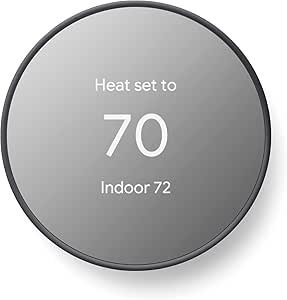 | Best Value Smart Design | Energy Star Certified: Yes | Connectivity: Wi-Fi 802.11b/g/n 2.4 GHz, 802.11a/n 5 GHz; Bluetooth Low Energy | Control: Google Assistant, Matter voice assistants, Google Home app | VIEW LATEST PRICE | See Our Full Breakdown |
| Sensi Smart Thermostat, Wi-Fi, DIY, Alexa, Energy Star Certified, ST55 |  | Best DIY Installation | Controller Type: Amazon Alexa, Apple HomeKit, Google Assistant, SmartThings, Vera | Energy Star Certified: Yes | Installation: DIY with step-by-step in-app instructions | VIEW LATEST PRICE | See Our Full Breakdown |
| ecobee Smart Thermostat Essential – WiFi Thermostat, Energy Star Certified |  | Best for Multi-Room Comfort | Energy Star Certified: Yes | Compatibility: Most 24V HVAC systems including gas, oil, electric, dual fuel, heat pump, boilers | SmartSensor Support: Yes (sold separately) | VIEW LATEST PRICE | See Our Full Breakdown |
| Meross Matter Smart Thermostat for Home, Programmable WiFi Thermostat |  | Best Matter Pick for Multi-Platform Homes | Compatibility: Most HVAC systems; excludes electric baseboard heaters and two-wire systems | Connectivity: WiFi, Matter (Apple Home, Alexa, Google Home, SmartThings) | Installation: C-wire required in some configurations; app-guided setup | VIEW LATEST PRICE | See Our Full Breakdown |
| Sensi Lite Smart Thermostat, WiFi, Alexa, DIY, Energy Star Certified, ST25 | 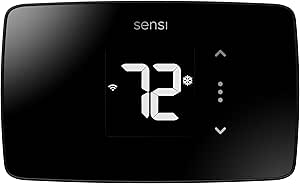 | Best Budget Pick | Energy Star Certified: Yes | Compatibility: Air conditioner, boiler, furnace, heat pump (24V systems) | Voice Control: Alexa, Google Assistant, SmartThings | VIEW LATEST PRICE | See Our Full Breakdown |
| Honeywell Home X7S Smart Wi-Fi Programmable Thermostat, Black |  | Best Premium Features | Display: 4.3-inch customizable color screen | Connectivity: Wi-Fi 2.4/5.0 GHz, 802.11ax/ac/a/b/g/n | C-wire Requirement: Yes, adapter voucher included if needed | VIEW LATEST PRICE | See Our Full Breakdown |
| Google Nest Thermostat – Smart Wi-Fi Programmable Thermostat for Home – Snow |  | Best for Google Homes | Energy Star Certified: Yes | Connectivity: Wi-Fi | C-wire: Works without C-wire in most homes | VIEW LATEST PRICE | See Our Full Breakdown |
| smart home thermostat | Compatibility | Connectivity | Energy Star Certified |
|---|---|---|---|
| ecobee Smart Thermostat Premiu | Most HVAC systems | Wi-Fi | — |
| ecobee Smart Thermostat Enhanc | Supports 90% of HVAC systems | Wi-Fi | — |
| Amazon Smart Thermostat | Works with Alexa and Ring | — | — |
| Honeywell Home T5 Smart Wi-Fi | Most heat/cool systems; C-wire required for some setups | Wi-Fi | — |
| Honeywell Home RTH9585WF Wi-Fi | Forced air, hot water, steam, heat pumps with electric backup | Wi-Fi | Yes |
| Honeywell Home X2S Smart Wi-Fi | Up to 2H/2C conventional, 2H/1C heat pump, hot water, forced air (gas, oil, electric) | WiFi 2.4 or 5GHz (802.11 b/g/n) | — |
| Google Nest Thermostat | Most HVAC systems; iOS/Android devices | Wi-Fi | Yes |
| Honeywell Home RTH9600WF Smart | Most heat/cool oil furnace systems, heat pumps with electric backup | Wi-Fi | Yes |
| Google Nest Thermostat | — | Wi-Fi 802.11b/g/n 2.4 GHz, 802.11a/n 5 GHz; Bluetooth Low Energy | Yes |
| Sensi Smart Thermostat | — | — | Yes |
| ecobee Smart Thermostat Essent | Most 24V HVAC systems including gas, oil, electric, dual fuel, heat pump, boilers | — | Yes |
| Meross Matter Smart Thermostat | Most HVAC systems; excludes electric baseboard heaters and two-wire systems | WiFi, Matter (Apple Home, Alexa, Google Home, SmartThings) | — |
| Sensi Lite Smart Thermostat | Air conditioner, boiler, furnace, heat pump (24V systems) | — | Yes |
| Honeywell Home X7S Smart Wi-Fi | — | Wi-Fi 2.4/5.0 GHz, 802.11ax/ac/a/b/g/n | — |
| Google Nest Thermostat | — | Wi-Fi | Yes |
More Details on Our Top Picks
ecobee Smart Thermostat Premium
The ecobee Smart Thermostat Premium earns the top spot because it bundles capabilities that competitors charge extra for. The included SmartSensor lets it heat or cool based on the room you actually occupy, not just the hallway where the thermostat hangs — something the Amazon Smart Thermostat can’t do at any price. Built-in Siri and Alexa mean you don’t need a separate speaker for voice control, and the onboard air quality monitor adds a layer of awareness no thermostat in this lineup matches. Compared with the Honeywell Home RTH9585WF, the display is sharper and the occupancy-based automation is smarter rather than purely schedule-driven. The tradeoff is cost and complexity: some security features sit behind a subscription, and Siri requires an Apple home hub.
Pros:- Includes a SmartSensor for room-specific temperature control
- Built-in Siri and Alexa eliminate the need for a nearby speaker
- Air quality monitoring adds value beyond temperature
- Cuts heating and cooling costs by up to 26% with occupancy automation
Cons:- Some security and monitoring features require a paid subscription
- Siri functionality only works with an Apple home hub
- Premium price is hard to justify for basic scheduling needs
Best for: Homeowners who want a full smart home hub on the wall and are willing to pay for room-by-room comfort sensing
Not ideal for: Budget buyers or anyone with a simple single-zone system — a basic thermostat like the Amazon Smart Thermostat delivers most of the savings for a third of the price
- Energy Savings:Up to 26% annually
- SmartSensor:Included (~$50 value)
- Voice Assistants:Siri and Alexa built-in
- Compatibility:Most HVAC systems
- Connectivity:Wi-Fi
- Warranty:3 years
- Extras:Air quality monitor
Our verdict“This is the pick if you want one device that handles comfort, voice control, and air quality without buying accessories separately.”
ecobee Smart Thermostat Enhanced
Stripped of the speaker and air quality sensor but keeping the brains, the ecobee Smart Thermostat Enhanced is the smart way to get ecobee’s occupancy-based savings without the Premium price tag. It supports 90% of HVAC systems and ships with a Power Extender Kit, which matters if your home lacks a C-wire — a real obstacle for the Amazon Smart Thermostat and both Honeywell models here. Installation is genuinely DIY-friendly, and the app’s guided setup compares well against the more manual process of the Honeywell Home RTH9585WF. The main compromise versus the Premium is sensing: remote SmartSensors are sold separately, so room-by-room comfort costs extra. Some advanced features also demand additional setup time that plug-and-play shoppers may not expect.
Pros:- Occupancy-based automation saves up to 26% on heating and cooling
- Power Extender Kit included for homes without a C-wire
- Works with 90% of HVAC systems
- Integrates with major smart home platforms
Cons:- SmartSensors for room-level control are sold separately
- Some features require extra setup beyond basic installation
- No built-in voice assistant, unlike the ecobee Premium
Best for: Buyers who want ecobee’s automation and energy savings but don’t need voice assistants or air quality monitoring built in
Not ideal for: Households wanting multi-room temperature balancing out of the box — the SmartSensor costs extra here but ships free with the Premium
- Compatibility:Supports 90% of HVAC systems
- Energy Savings:Up to 26% annually
- Connectivity:Wi-Fi
- Includes:Power Extender Kit, trim kit
- Warranty:3 years
- Smart Home:Works with major platforms
Our verdict“The best balance of price and intelligence if you care about energy savings more than wall-mounted gadgets.”
Amazon Smart Thermostat
At a fraction of what the ecobee Smart Thermostat Enhanced costs, the Amazon Smart Thermostat delivers the core promise of the category: app control, scheduling, and voice commands that trim energy bills by up to $90 a year. Installation is its strongest card — the companion app walks you through wiring step by step, making it friendlier for first-timers than the schedule-heavy menus on the Honeywell Home RTH9585WF. The catch is ecosystem lock-in: this is built for Alexa households, and buyers invested in Google Home should look at the Nest Thermostat instead. It also hard-requires a C-wire, with no power extender in the box, so older homes may face an electrician visit that erases the price advantage. There’s no geofencing or room sensing either — this is scheduling, not automation.
Pros:- Lowest-cost entry into smart climate control in this lineup
- Guided in-app installation is genuinely beginner-friendly
- Alexa voice control and Ring integration work seamlessly
- Programmable scheduling cuts energy costs by up to $90 annually
Cons:- C-wire required with no Power Extender Kit included
- Effectively locked to the Alexa ecosystem
- No geofencing, occupancy sensing, or room sensors
Best for: Alexa-equipped households on a budget who want app and voice control without paying for sensors or speakers
Not ideal for: Google Home or Apple Home users, and homes without a C-wire — the ecosystem lock-in and wiring requirement undermine the low price
- Compatibility:Works with Alexa and Ring
- C-Wire Required:Yes
- Energy Savings:Up to $90 annually
- Installation:DIY with app guidance
- Control:Alexa voice and app
- Scheduling:Programmable via app
Our verdict“A smart buy only if Alexa already runs your home and your wiring cooperates.”
Honeywell Home T5 Smart Wi-Fi Thermostat
What separates the Honeywell Home T5 from cheaper rivals like the Amazon Smart Thermostat is geofence technology: it detects when you leave and return, adjusting temperature automatically instead of waiting for a fixed schedule. For anyone with irregular hours, that beats pure programming and captures savings the Amazon unit simply can’t. It’s ENERGY STAR certified and offers flexible 7-day scheduling for households that still want structure on top of automation. Compared with the ecobee Smart Thermostat Enhanced, the hardware feels more basic and there’s no power extender included — the T5 needs a C-wire adapter in many setups, and heating-only oil furnace systems without one are out of luck. There’s no room sensing either, so comfort is measured only where the thermostat lives.
Pros:- Geofencing automates savings without rigid scheduling
- ENERGY STAR certified efficiency
- 7-day flexible scheduling for structured routines
- Straightforward smartphone and tablet app control
Cons:- C-wire power adapter required in many installations
- Incompatible with heating-only oil furnace systems without a C-wire
- No remote room sensors for whole-home comfort
Best for: Commuters and anyone with unpredictable schedules who wants automatic away-mode savings without paying ecobee prices
Not ideal for: Homes with heating-only oil furnaces lacking a C-wire, and buyers who want room-by-room temperature balancing
- Scheduling:7-day flexible scheduling
- Automation:Geofence-based adjustments
- Connectivity:Wi-Fi
- Control:Smartphone or tablet app
- Energy Certification:ENERGY STAR
- Compatibility:Most heat/cool systems; C-wire required for some setups
- Power:Requires C-wire power adapter
Our verdict“The affordable middle ground if geofencing matters more to you than voice assistants or room sensing.”
Honeywell Home RTH9585WF Wi-Fi Smart Color Thermostat
If the wall unit itself matters — because it sits in a visible living space — the Honeywell Home RTH9585WF makes the strongest visual case in this batch. Its customizable color touchscreen can match your decor and offers a more tactile, glanceable interface than the plainer Amazon Smart Thermostat or the small display on the T5. Under the glass it’s more conventional than the ecobee models: scheduling and energy reports rather than occupancy learning, plus Alexa and Google Home voice control for both ecosystems — a flexibility the Alexa-only Amazon unit lacks. Compatibility is broad, covering forced air, hot water, steam, and many heat pumps, but the C-wire is mandatory, and electric baseboard homes are excluded outright. Buyers wanting adaptive automation should step up to the ecobee Enhanced instead.
Pros:- Customizable color touchscreen that matches home decor
- Works with both Amazon Alexa and Google Home
- Detailed energy reports help track and cut usage
- Broad compatibility across forced air, hot water, steam, and heat pump systems
Cons:- C-wire required with no extender kit included
- Not compatible with electric baseboard heating
- Schedule-driven rather than occupancy- or geofence-driven automation
Best for: Buyers who want a premium-looking, easy-to-read wall unit with flexible scheduling and dual Alexa/Google support
Not ideal for: Homes with electric baseboard heating, or anyone wanting occupancy-based automation instead of manual schedules
- Model:RTH9585WF
- Display:Customizable color touchscreen
- Connectivity:Wi-Fi
- Scheduling:7-day programmable
- Energy Star Certified:Yes
- Voice Compatibility:Amazon Alexa, Google Home
- C-Wire Required:Yes
- Compatibility:Forced air, hot water, steam, heat pumps with electric backup
Our verdict“Choose this for the display and ecosystem flexibility, not for smart automation — the ecobee models think for themselves better.”
Honeywell Home X2S Smart Wi-Fi Thermostat, White
This option stands out for its Matter certification, which makes it the most future-proof choice among the Honeywell entries here for households running a mixed ecosystem of Alexa, Google, and Apple devices. Compared with the Sensi ST55, which relies on individual platform integrations, the X2S handles multi-platform pairing through a single standard rather than separate setups. Dual-band Wi-Fi (2.4 and 5GHz) also gives it a connectivity edge over the Nest Thermostat, which can struggle on congested 2.4GHz networks in larger homes. The tradeoff is real: like most Honeywell models in this lineup, it demands a C-wire, and buyers with electric baseboard heat are out of luck entirely. Humidity monitoring and filter reminders round out a practical feature set rather than a flashy one.
Pros:- Matter certified for seamless multi-ecosystem control
- Dual-band Wi-Fi supports both 2.4 and 5GHz networks
- Humidity monitoring and filter reminders included
- Broad HVAC compatibility including hot water heat
Cons:- C-wire required, ruling out many older homes without rewiring
- No support for electric baseboard or line-voltage heating
Best for: Multi-platform smart home owners who want one thermostat that talks to Alexa, Google, and Apple through Matter without juggling integrations
Not ideal for: Renters or owners of homes without a C-wire, and anyone with 120-240V electric baseboard heating
- Connectivity:WiFi 2.4 or 5GHz (802.11 b/g/n)
- Compatibility:Up to 2H/2C conventional, 2H/1C heat pump, hot water, forced air (gas, oil, electric)
- Power:C-wire required (24 VAC)
- Smart Home Standard:Matter Certified
- Low-Heat Setpoint:32°F
- Warranty:2 years
Our verdict“Pick the X2S if you’ve built a mixed-ecosystem smart home and want a thermostat that speaks Matter natively — skip it if your wiring predates C-wires.”
Google Nest Thermostat – Smart Thermostat for Home – Programmable Wi-Fi Thermostat – Sand
The Sand Nest Thermostat makes the most sense for buyers already living in the Google ecosystem, where its Google Home app integration and Assistant voice control feel frictionless. Compared with the Amazon Smart Thermostat, it adds HVAC monitoring with system alerts, catching furnace faults before they become expensive repairs — a genuinely useful feature the budget tier often omits. Its ENERGY STAR certification backs up the energy-saving claims with third-party validation. The compromise is wiring: while it works without a C-wire in most homes, some HVAC setups will still need one or a power accessory, so a pre-purchase compatibility check is non-negotiable. The mirrored finish and slim profile also make it one of the more design-forward options here, unlike the button-down look of Honeywell’s RTH9600WF.
Pros:- Deep Google Home and Assistant integration
- HVAC monitoring sends alerts for system issues
- ENERGY STAR certified for verified energy savings
- Works without a C-wire in most homes
Cons:- May require a C wire or power accessory on some HVAC systems
- No Apple HomeKit support despite Matter compatibility claims
Best for: Homeowners with Google speakers, Pixel phones, or Nest hubs who want a thermostat that blends into their existing setup
Not ideal for: Apple HomeKit users, who get no native support and would be better served by the Honeywell X2S or Sensi ST55
- Energy Star Certified:Yes
- Connectivity:Wi-Fi
- Control:Google Home app, voice control
- Compatibility:Most HVAC systems; iOS/Android devices
- C-Wire:Works without in most homes; some systems may require one or an accessory
- Color:Sand
Our verdict“If Google already runs your home, this Nest slots in almost invisibly — everyone else should check wiring compatibility and ecosystem fit first.”
Honeywell Home RTH9600WF Smart Color Thermostat ENERGY STAR Wi-Fi Programmable Touchscreen Alexa Ready
Where the Nest Thermostat uses a touch-sensitive dial, the RTH9600WF goes all-in on a high-definition color touchscreen that you can customize to match your wall color — a small thing that matters a lot if the thermostat lives in a visible hallway. Its Smart Response technology learns how long your home takes to heat and cool, then starts conditioning early so you hit your target temperature on schedule rather than after it. Compared with the RTH9585WF in the same family, this model shares the flexible 7-day programming and app control, making the choice between them largely about price and availability. The honest downsides: it’s one of the picky models on heating compatibility, excluding baseboard and some electric-only systems, and the C-wire requirement is firm — no power-stealing workaround here.
Pros:- Customizable HD color touchscreen with adjustable display colors
- Smart Response learning pre-conditions your home on schedule
- Smart alerts for filter changes and temperature extremes
- Alexa ready with flexible 7-day programming
Cons:- Strict C-wire requirement with no workaround
- Incompatible with electric baseboard heating (120-240V) and some electric-only systems
Best for: Buyers who interact with their thermostat at the wall daily and want a premium, readable touchscreen instead of app-only control
Not ideal for: Homes with electric baseboard or electric-only heating, and any household without an existing C-wire
- Display:High-definition color touchscreen, customizable
- Energy Star Certified:Yes
- Connectivity:Wi-Fi
- Compatibility:Most heat/cool oil furnace systems, heat pumps with electric backup
- C-Wire Required:Yes
- Smart Features:Smart Response learning, smart alerts, flexible programming
- Includes:Thermostat, wall plate, screws, anchors, quick start guide, wire labels, user guide
Our verdict“This is the wall-facing pick — choose it when the in-hand experience matters as much as the app, provided your wiring and heating system qualify.”
Google Nest Thermostat – Smart Thermostat for Home – Programmable Wi-Fi Thermostat – Charcoal
Functionally, the Charcoal Nest is the same platform as the Sand Nest — same ENERGY STAR certification, same HVAC monitoring, same Google Home control — so choosing between them comes down to aesthetics and price. Its charcoal finish reads more neutral on darker walls, and this colorway frequently sells at the sharper end of Nest pricing, making it the value play of Google’s lineup. Against the Amazon Smart Thermostat, it wins on polish and system-health alerts, though it costs more upfront. Dual-band Wi-Fi plus Bluetooth Low Energy gives it flexible setup options the Sensi ST55 can’t match. The gaps are worth knowing: there’s no lock feature, which matters for landlords or parents who don’t want setpoints tampered with, and the same C-wire caveat applies — verify compatibility online before buying, because a surprise power accessory erases the value argument.
Pros:- Polished Google Home experience at a lower price tier than premium rivals
- HVAC monitoring with energy-saving scheduling
- Dual-band Wi-Fi and Bluetooth Low Energy for reliable setup
- Compact, attractive design in neutral charcoal
Cons:- No temperature lock feature for restricting setpoint changes
- May require a C wire or accessory on some systems
Best for: Style-conscious buyers who want Google’s design and ecosystem at the lowest Nest price point
Not ideal for: Landlords and anyone who needs to lock setpoints, since the lock feature isn’t available on this model
- Energy Star Certified:Yes
- Connectivity:Wi-Fi 802.11b/g/n 2.4 GHz, 802.11a/n 5 GHz; Bluetooth Low Energy
- Control:Google Assistant, Matter voice assistants, Google Home app
- Features:Energy saving, HVAC monitoring, remote and voice control
- C-Wire:Works without in most homes; check compatibility online
- Color:Charcoal
Our verdict“The Charcoal Nest is the smart buy for Google households watching their budget — just confirm your wiring and don’t expect setpoint locks.”
Sensi Smart Thermostat, Wi-Fi, DIY, Alexa, Energy Star Certified, ST55
The Sensi ST55 is the pick for anyone who wants to swap a thermostat themselves on a Saturday morning without paying an electrician. Its step-by-step in-app installation guide walks you through wiring with built-in prompts, something neither the Nest nor the Honeywell RTH9600WF matches in hand-holding depth. Ecosystem breadth is another strength: Alexa, Google Assistant, Apple HomeKit, SmartThings, and Vera all work, making it more flexible than the Nest’s Google-only comfort zone. Sensi’s 23% average HVAC energy savings claim and ENERGY STAR certification back up the efficiency story, and usage reports help you see where money is going. The compromises: some setups still need a C-wire despite marketing suggestions otherwise, and the hardware itself feels and looks more utilitarian than the color touchscreen competition.
Pros:- Best-in-class guided DIY installation through the app
- Works with Alexa, Google Assistant, Apple HomeKit, and SmartThings
- About 23% average HVAC energy savings, ENERGY STAR certified
- Usage reports, filter indicator, and strong data privacy stance
Cons:- C-wire still required in some configurations
- Plain display and hardware feel dated next to touchscreen rivals
Best for: First-time DIY installers and multi-platform households who want guided setup and HomeKit support without a premium price
Not ideal for: Buyers who want a premium wall presence or color display — the ST55’s screen is basic compared with the RTH9600WF
- Controller Type:Amazon Alexa, Apple HomeKit, Google Assistant, SmartThings, Vera
- Energy Star Certified:Yes
- Installation:DIY with step-by-step in-app instructions
- Energy Savings:Approximately 23% on HVAC usage
- Specific Uses:Air conditioner, boiler, furnace, heat pump
- Additional Features:Programmable, filter indicator, usage reports, data privacy
Our verdict“Choose the Sensi ST55 when confident self-installation and broad platform support matter more than screen flash.”
ecobee Smart Thermostat Essential – WiFi Thermostat, Energy Star Certified
This option stands out for its ability to monitor temperatures room by room when paired with ecobee’s optional SmartSensors — something none of the other picks in this batch can do. Compared with the Sensi Lite, the Essential offers broader HVAC support (dual fuel, boilers, heat pumps) and a color touchscreen rather than a basic LCD, though you’ll pay for that flexibility. Claimed savings of up to 23% annually put it on par with the Sensi Lite, but the ecobee’s Power Extender Kit removes the C-wire headache for many homes. The tradeoff: sensors cost extra, and some features feel gated behind accessories, so the true price creeps up if you want the full experience.
Pros:- Up to 23% annual energy savings with schedule learning
- Works without a C-wire thanks to the Power Extender Kit
- Broad HVAC compatibility including dual fuel and boilers
- Room-specific temperature monitoring with optional SmartSensors
Cons:- SmartSensors are sold separately, adding hidden cost
- Some HVAC setups still require a compatibility check before buying
Best for: Homeowners with uneven heating or cooling who want room-specific temperature management via SmartSensors
Not ideal for: Budget-conscious buyers — sensor packs and accessories push the total cost well past the sticker price
- Energy Star Certified:Yes
- Compatibility:Most 24V HVAC systems including gas, oil, electric, dual fuel, heat pump, boilers
- SmartSensor Support:Yes (sold separately)
- WiFi:Yes
- Display:Color touchscreen
- Installation:DIY, no C-wire needed with optional Power Extender Kit
Our verdict“This pick makes the most sense for homes where one thermostat location doesn’t reflect real comfort levels across rooms.”
Meross Matter Smart Thermostat for Home, Programmable WiFi Thermostat
Where the Google Nest Thermostat leans heavily into the Google Home ecosystem, the Meross plays neutral: it’s Matter-certified, so Apple Home, Alexa, Google Home, and SmartThings all get equal treatment. That platform flexibility is rare at this price and makes it a strong fit for households where family members use different assistants. The glass panel design looks more premium than the Sensi Lite’s plain LCD face. However, the tradeoffs are real — it requires a C-wire in some configurations, won’t work with electric baseboard heaters or two-wire systems at all, and installation can trip up less experienced DIYers compared with Sensi’s guided setup. It’s a capable scheduler, but not the most forgiving install.
Pros:- Matter certification gives true cross-platform support
- Customizable scheduling for energy savings
- Remote control and smart system-health alerts via app
- Sleek glass panel available in black or white
Cons:- C-wire required in some wiring setups
- Incompatible with electric baseboard heaters and two-wire systems
- Installation can be complex for first-time DIYers
Best for: Mixed-ecosystem households using Apple Home alongside Alexa or Google who want one thermostat that talks to everything
Not ideal for: Homes with electric baseboard heat or two-wire systems — it simply won’t work
- Compatibility:Most HVAC systems; excludes electric baseboard heaters and two-wire systems
- Connectivity:WiFi, Matter (Apple Home, Alexa, Google Home, SmartThings)
- Installation:C-wire required in some configurations; app-guided setup
- Design:Sleek glass panel, black or white
- Scheduling:Customizable programmable schedules
- Alerts:Smart system health alerts
Our verdict“Choose this if your household spans multiple smart home platforms and you want a thermostat that plays no favorites.”
Sensi Lite Smart Thermostat, WiFi, Alexa, DIY, Energy Star Certified, ST25
For straightforward value, this model is hard to beat. The Sensi Lite delivers the core smart thermostat experience — app control, Alexa and Google voice commands, and roughly 23% HVAC energy savings — at a price well below the ecobee Essential or Honeywell X7S. Where the ecobee Essential charges extra for room sensors, Sensi includes everything you need in the box, batteries included, plus a built-in level for painless DIY mounting. The compromises are honest ones: the LCD display is plain compared with the X7S’s 4.3-inch color screen, there’s no occupancy detection or air quality monitoring, and it’s limited to 24V systems. Compared with the pricier Sensi ST55, you also give up some advanced features. But for basic scheduling on a budget, it does the job.
Pros:- Very affordable entry point with core smart features included
- Easy DIY install with built-in level and clear instructions
- Voice control via Alexa and Google Assistant
- Energy Star certified with roughly 23% HVAC savings
Cons:- Basic LCD and styling lack the polish of higher-end models
- Limited to 24V systems and may require a C-wire in some setups
Best for: First-time smart thermostat buyers who want app and voice control without paying for features they won’t use
Not ideal for: Tech enthusiasts wanting color displays, occupancy sensing, or room sensors — none of that exists here
- Energy Star Certified:Yes
- Compatibility:Air conditioner, boiler, furnace, heat pump (24V systems)
- Voice Control:Alexa, Google Assistant, SmartThings
- Power Source:2 AAA batteries or C-wire
- Display:LCD
- Installation:DIY with built-in level and step-by-step instructions
- Control Methods:App, touch, voice
Our verdict“The sensible low-cost choice for buyers who want reliable app control and nothing they don’t need.”
Honeywell Home X7S Smart Wi-Fi Programmable Thermostat, Black
This is the feature heavyweight of the batch. The X7S goes beyond temperature with occupancy detection that adjusts heating and cooling when rooms are empty, plus air quality monitoring — neither the ecobee Essential nor the Nest Thermostat offers air quality data. Its 4.3-inch customizable display dwarfs the Sensi Lite’s LCD, and dual-band Wi-Fi support including 5.0 GHz gives it more reliable connectivity than most rivals. Installation is the catch: a C-wire is required, though Honeywell includes a voucher for an adapter if your home lacks one — a thoughtful touch, but an extra step compared with the Nest, which often works without a C-wire at all. It also won’t handle 120-240V electric baseboard heat, so verify your system first.
Pros:- Occupancy and presence detection for automatic energy savings
- Air quality monitoring beyond basic temperature control
- Large customizable 4.3-inch display
- Dual-band Wi-Fi (2.4/5.0 GHz) for reliable connectivity
Cons:- C-wire required (voucher for adapter included, but it’s an extra step)
- Not compatible with 120-240V electric baseboard heating
Best for: Buyers who want a premium hub-style thermostat with occupancy sensing and indoor air quality data on screen
Not ideal for: Homes with electric baseboard heat or no easy C-wire path — the adapter workaround adds installation friction
- Display:4.3-inch customizable color screen
- Connectivity:Wi-Fi 2.4/5.0 GHz, 802.11ax/ac/a/b/g/n
- C-wire Requirement:Yes, adapter voucher included if needed
- System Compatibility:Up to 3H/2C heat pump, 2H/2C conventional, hot water, forced air
- Energy Certification:ENERGY STAR
- Special Features:Occupancy detection, air quality monitoring
- App:First Alert app remote control
Our verdict“The feature-first pick for buyers who see their thermostat as a whole-home comfort and air quality device, not just a dial.”
Google Nest Thermostat – Smart Wi-Fi Programmable Thermostat for Home – Snow
If your household already runs on Google speakers and the Home app, this model fits like a glove. Compared with the Meross Matter thermostat, the Nest offers a more polished app experience and proactive energy-saving suggestions plus HVAC monitoring that flags problems early — though Meross wins on strict cross-platform neutrality. The Nest’s biggest practical advantage over the Honeywell X7S and Sensi Lite is that it often works without a C-wire, sparing many homes an adapter install. The catch: it needs Wi-Fi for full functionality, some systems still need extra wiring, and there’s no physical lock option, which matters if you’re mounting it in a rental or a house with curious kids. Matter support does add some flexibility beyond Google’s walls.
Pros:- Works without a C-wire in most homes
- Proactive energy-saving suggestions and HVAC monitoring
- Voice control with Google Assistant and Alexa
- Matter support extends compatibility beyond Google Home
Cons:- Full functionality depends on a Wi-Fi connection
- No physical lock option for tamper prevention
- Some systems may still require additional wiring or accessories
Best for: Google Home households who want tight Assistant integration, energy tips, and a likely no-C-wire install
Not ideal for: Landlords or parents who need to lock settings — there’s no physical lock to prevent tampering
- Energy Star Certified:Yes
- Connectivity:Wi-Fi
- C-wire:Works without C-wire in most homes
- Voice Control:Google Assistant, Alexa
- Smart Home Integration:Google Home, Matter-certified devices
- Additional Features:HVAC monitoring, energy savings suggestions, Nest Renew support
- Color:Snow
Our verdict“The natural choice for Google-centric homes that want smart suggestions and an easy install without wiring headaches.”
How We Picked
My ranking starts with HVAC compatibility and installation reality, because the best thermostat is worthless if it can’t run on your wiring. I gave strong weight to whether each model requires a C-wire, whether the brand includes a power-extender kit, and how forgiving the setup process is for a first-time DIYer. From there, I evaluated energy-saving intelligence: does the device rely only on schedules you build, or does it add occupancy sensing, geofencing, and learning algorithms that adjust automatically?
The second tier of criteria covered smart home ecosystem fit (native Matter support, Apple Home compatibility, which assistants are built into the device itself), sensor expandability, app quality, and overall value at street price rather than MSRP. Finally, I penalized models whose strengths overlap with a cheaper option in this same lineup — a big reason several Honeywell entries landed mid-to-lower despite solid hardware. The ordering reflects a simple question at each slot: for this price, is there a clearly better pick above it and no clearly redundant one below?
| smart home thermostat | Connectivity |
|---|---|
| ecobee Smart Thermostat Premiu | Wi-Fi |
| ecobee Smart Thermostat Enhanc | Wi-Fi |
| Amazon Smart Thermostat | — |
| Honeywell Home T5 Smart Wi-Fi | Wi-Fi |
| Honeywell Home RTH9585WF Wi-Fi | Wi-Fi |
| Honeywell Home X2S Smart Wi-Fi | WiFi 2.4 or 5GHz (802.11 b/g/n) |
| Google Nest Thermostat | Wi-Fi |
| Honeywell Home RTH9600WF Smart | Wi-Fi |
| Google Nest Thermostat | Wi-Fi 802.11b/g/n 2.4 GHz, 802.11a/n 5 GHz; Bluetooth Low Energy |
| Sensi Smart Thermostat | — |
| ecobee Smart Thermostat Essent | — |
| Meross Matter Smart Thermostat | WiFi, Matter (Apple Home, Alexa, Google Home, SmartThings) |
| Sensi Lite Smart Thermostat | — |
| Honeywell Home X7S Smart Wi-Fi | Wi-Fi 2.4/5.0 GHz, 802.11ax/ac/a/b/g/n |
| Google Nest Thermostat | Wi-Fi |
Factors to Consider When Choosing Smart Home Thermostats
Before committing to a specific model, a few category-wide realities shape whether any smart thermostat will actually save you money or just sit on the wall as an expensive timer. These are the factors I’d settle before comparing specs.Know Your Wiring Before Anything Else
The most common mistake in this category is buying first and checking compatibility second. Pop your current thermostat off the wall and photograph the wires — if you see a wire on the C terminal, nearly every model here works. If you don’t, your options narrow fast: battery-operated picks like the Sensi ST55 and the Google Nest Thermostat can often run without one, while Honeywell’s color touchscreen line and the ecobee Premium expect steady power. Some brands ship a power-extender kit in the box, but installing one means opening your furnace panel, which many buyers underestimate. Renters and condo owners with sealed HVAC closets should treat C-wire-free operation as a hard requirement, not a nice-to-have. Ten minutes with a photo of your wiring saves a return shipment and a frustrated afternoon.
Sensors Are Where the Real Savings Live
A thermostat only knows the temperature of the room it’s mounted in — usually a hallway nobody sits in. Remote sensors are what turn a scheduling device into a genuine comfort system, because they let the thermostat average readings across occupied rooms or prioritize the bedroom at night and the living room by day. ecobee’s sensor ecosystem is the most mature in this roundup, and it’s the single biggest reason its Premium and Enhanced models outrank cheaper hardware with similar specs. Nest’s remote sensors are more limited and sold separately at a price that closes much of the gap to ecobee anyway. My advice: if your home has a two-story layout, a sunroom, or any room that’s always too hot or cold, budget for sensors from day one rather than treating them as an upgrade you’ll get around to.
Match the Thermostat to Your Ecosystem, Not the Reverse
Every model here works with Alexa; far fewer work well with Apple Home, and Google Home support is inconsistent on Honeywell’s older lines. Buyers routinely pick a thermostat on hardware merit, then discover its best features — automations, room sensing, energy reports — live inside an app that doesn’t connect to anything else they own. If your household is Apple-centric, the ecobee Smart Thermostat Premium with Siri built in or the Meross Matter model are the safe paths, since Matter support bridges the gap natively. Alexa households have the widest choice and can safely prioritize price and sensors instead. One caution: Matter support is still uneven across brands, and a software update promise is not the same as a shipping feature — check the current app listing, not launch-day marketing.
Learning Versus Scheduling — Be Honest About Yourself
Learning thermostats promise to program themselves, and for households with unpredictable routines, that’s genuinely valuable. But learning algorithms perform worst exactly where many buyers live: shift work, work-from-home days, or houses where someone is almost always home, which leaves the device little signal to learn from. If your schedule is regular, a seven-day programmable model like the Honeywell RTH9585WF or ecobee Essential delivers the same setbacks for less money, with more predictable behavior. Geofencing-based models split the difference by using your phone’s location, which works well for commuters but drains patience in multi-person households where one person leaving shouldn’t cool the whole house. Choose based on how your week actually runs, not how the feature demos.
Don’t Overpay for the Screen
Color touchscreens are the most upsold feature in this category and the least connected to energy savings. A vibrant display is genuinely worth paying for if the thermostat sits in a visible hallway and you adjust it by hand often — but if you set a schedule once and control everything by voice or app afterward, screen quality becomes irrelevant within a month. The Amazon Smart Thermostat proves the point: a modest display, no sensors, and savings figures that compete with models triple its price. Premium finishes like the ecobee Premium’s glass panel and the Honeywell X7S’s black faceplate are aesthetic purchases, and that’s fine — just make that decision consciously rather than as a side effect of buying the ‘better’ model.
When to Pay More — and When It’s Wasted Money
Paying up makes sense for three things: remote sensors, built-in voice assistants, and air quality monitoring that ties into HVAC fan control. Beyond that, price buys polish, not performance. Spending over $200 for a household that wants a simple nightly setback is wasted money when the Sensi Lite or Amazon Smart Thermostat accomplishes it for under $100. Conversely, cheaping out costs you twice in larger homes — once in comfort from single-point sensing, and again in the energy you burn overcorrecting one cold room by heating the whole floor. A reasonable rule: under 1,500 square feet with simple ductwork favors budget picks; anything larger or with multiple zones justifies sensor-capable hardware. Your climate matters too — in mild regions the annual savings ceiling is low enough that payback on premium features can stretch past five years.
Frequently Asked Questions
Do I really need a C-wire, or can I skip it?
It depends on the thermostat, not on your preference. Models like the Honeywell RTH9585WF, RTH9600WF, and X7S list a C-wire as a hard requirement, and running them without one causes random reboots, Wi-Fi dropouts, and a drained backup battery. The Sensi ST55 and Google Nest Thermostat can often power themselves through the HVAC circuit, though performance varies with older or high-efficiency systems. ecobee includes a power-extender kit that eliminates the need for a C-wire on most compatible furnaces, but installing it takes twenty minutes and a screwdriver near your furnace’s control board. Before buying, photograph your existing wiring and run the manufacturer’s online compatibility checker — it takes five minutes and settles the question definitively for your specific home.
Which thermostat works best with Apple HomeKit?
The ecobee Smart Thermostat Premium is the strongest Apple Home pick here because Siri is built directly into the thermostat itself, so you can control it by voice without a phone or HomePod in the room. The Meross Matter thermostat is the other standout choice, since native Matter support means it appears in Apple Home automatically and receives updates through the standard rather than a brand-specific bridge. Both ecobee Enhanced and Essential also support HomeKit, giving Apple households a spread of price points to choose from. What you should avoid is assuming Alexa-compatibility implies Apple support — several Honeywell models in this lineup support Alexa but have no Apple Home path at all. If Apple is your primary ecosystem, filter your shortlist to Matter-certified or explicitly HomeKit-listed models before comparing anything else.
Are the Nest Thermostat colorways actually different products?
No — the Sand, Charcoal, and Snow listings in this roundup are identical hardware in different finishes, which is worth knowing because their prices often diverge by $20 or more depending on stock. Smart shoppers should check all three listings and buy whichever color is cheapest that day, unless the finish genuinely matters for a visible wall placement. The real Nest decision is between this budget model and the Nest Learning Thermostat generation, which adds auto-scheduling and a mirrored display at a much higher price. The standard Nest Thermostat reviewed here uses manual scheduling plus basic home/away assistance rather than full learning. If you want a Nest that programs itself completely, that’s a different product line than the three colorways compared in this guide.
How much can a smart thermostat actually save me?
Realistic savings run about 8% on heating and cooling costs for households that use schedules or setbacks consistently, which translates to roughly $50–100 per year for a typical home. The catch is that savings come from behavior the thermostat enables, not magic: if you never let it set back temperatures overnight or while you’re away, the savings are near zero. Sensor-equipped models like the ecobee Premium tend to hit the higher end because they focus conditioning on occupied rooms instead of empty hallways. At that savings rate, a $90 Amazon Smart Thermostat pays for itself in about a year, while a $250 premium model takes closer to three — which is fine if you value the sensors and voice features for their own sake. Homes in mild climates should temper expectations further, since there’s simply less heating and cooling spend to reduce.
Is the Meross Matter thermostat a safe pick from a lesser-known brand?
For cross-platform households, yes — Matter certification is doing most of the heavy lifting here, since the standard itself guarantees the thermostat works with Apple, Google, and Alexa regardless of whether Meross’s own app flourishes. That’s the key advantage over brand-locked alternatives: even if Meross stopped updating its app tomorrow, the Matter integration would keep functioning through your platform of choice. The tradeoffs are real, though — the app experience is less polished than ecobee’s or Nest’s, there’s no remote sensor ecosystem, and long-term firmware support is a bigger question mark than with Honeywell or Google. I’d recommend it specifically to buyers who mix ecosystems and want something inexpensive, not to buyers who want the richest features or analytics. If you live entirely in one ecosystem, an established brand at a similar price is usually the safer choice.
Conclusion
For most buyers, the ecobee Smart Thermostat Enhanced is the smartest buy in this roundup — it delivers the brand’s excellent sensor support and energy intelligence at a price that undercuts the Premium by a comfortable margin. If you want the absolute best regardless of cost, the ecobee Smart Thermostat Premium adds built-in Siri and Alexa, air quality monitoring, and a glass finish that justifies its spot at the top of the list. Best value goes to the Amazon Smart Thermostat, which brings genuine Energy Star savings to sub-$100 buyers, with the Sensi Lite as the alternative for Alexa households that want friendlier DIY setup. Beginners and renters should reach for the Google Nest Thermostat or Sensi ST55, both forgiving on wiring and nearly foolproof to install. For specific needs: Apple-centric homes get the best experience from the ecobee Premium, mixed-ecosystem households should shortlist the Meross Matter, and anyone wanting a wall statement piece with deep scheduling control will be happy with the Honeywell RTH9585WF or X7S. Whichever direction you take, check your wiring first — that single step narrows this list of fifteen down to the two or three that will actually work on your wall.
Fall yard work Picks
leaf blowers
As an affiliate, we earn on qualifying purchases.