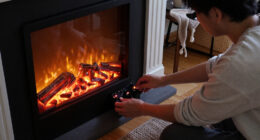
To heat your basement with an electric fireplace, choose a fire-rated, UL-listed unit designed for indoor use and guarantee it’s installed on a stable surface away from combustible materials. Keep safety devices like smoke and carbon monoxide detectors nearby. Select a proper location for even heat distribution and use a dedicated electrical outlet—never an extension cord. Proper installation and safety precautions help maximize efficiency and safety, and if you continue, you’ll discover more tips for safe, effective heating.

Get home appliances delivered free with Prime
- Fast, free delivery on millions of items
- Prime Video, Amazon Music and more included
- Member-only deals all year
Key Takeaways
- Choose a safe, fire-rated electric fireplace designed for indoor use with proper clearance and ventilation.
- Install the unit on a stable, flat surface or securely wall-mount it according to manufacturer guidelines.
- Use a dedicated electrical outlet with appropriate wattage; avoid extension cords or power strips.
- Position the fireplace to promote even heat distribution and ensure nearby smoke and CO detectors are functioning.
- Utilize adjustable thermostats and timers to optimize comfort, safety, and energy efficiency in your basement.

Heating a basement with an electric fireplace is an efficient and convenient way to keep the space warm and comfortable. Unlike traditional heating options, electric fireplaces are easy to operate, require minimal maintenance, and can be installed with relative ease. Before you get started, it’s vital to consider safety considerations to ensure your setup is both effective and secure. You want to prevent potential hazards such as electrical fires, overheating, or damage to your home. Always choose a fire-rated, UL-listed electric fireplace designed for indoor use. Keep it away from combustible materials like curtains, paper, or wood, and ensure there’s adequate clearance around the unit as specified by the manufacturer. Installing a smoke detector and a carbon monoxide detector nearby adds an extra layer of safety, even though electric fireplaces produce no emissions.
When it comes to installation tips, proper placement is key. Pick a location that allows for even heat distribution across your basement and provides enough space around the unit for ventilation and safe operation. You should place the electric fireplace on a flat, stable surface to prevent tipping or wobbling. If you’re mounting it on a wall, confirm that the wall can support the weight and that electrical wiring is done correctly, preferably by a professional. Make sure your electrical setup meets local codes and that the outlet can handle the fireplace’s power requirements. Using a dedicated outlet can help prevent overloads or tripped circuits, which could cause interruptions or hazards.
Additionally, consider the electrical wiring and extension cords carefully. Never plug an electric fireplace into an extension cord or power strip, as this can lead to overheating and fire risk. Instead, connect it directly to a grounded, properly rated outlet. If your basement lacks suitable outlets, hiring an electrician to install one is a smart move. Proper installation also involves ensuring your electric fireplace has the correct wattage for your space, which affects how effectively it heats the area. Many models come with adjustable thermostats and timers, giving you control over the temperature and energy use, further enhancing safety and efficiency. Moreover, selecting a ventilation system or ensuring proper air circulation can optimize heating performance and safety.
Products Worth Considering
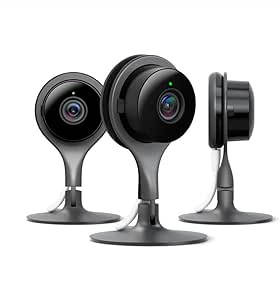
Google Nest Cam Indoor Security Camera, 3-Pack

Hisense 85 U6 Pro Series Mini-LED ULED 4K UHD HDR Gaming AI Smart Fire TV (85U6SF Pro)

Dyson Cyclone V10 Origin Cordless Vacuum
As an affiliate, we earn on qualifying purchases.
Frequently Asked Questions
Can Electric Fireplaces Be Used as the Primary Heat Source?
Yes, electric fireplaces can serve as your primary heat source, especially in smaller spaces like basements. They not only provide warmth but also enhance the space for decorative purposes and ambiance creation. Keep in mind, however, that their heating capacity might be limited for larger areas. Use them as a supplement or primary source depending on your basement’s size and insulation, ensuring you enjoy both comfort and aesthetic appeal.
Do Electric Fireplaces Require Special Electrical Wiring?
Yes, electric fireplaces often require special electrical wiring to guarantee electrical safety and proper installation requirements. You should check your unit’s specifications and consult a qualified electrician to handle the wiring. This helps prevent electrical hazards and ensures your fireplace functions efficiently. Proper installation is vital for safety and performance, so don’t skip professional advice or necessary upgrades to your electrical system.
How Much Space Can an Electric Fireplace Effectively Heat?
Think of your electric fireplace as a cozy lighthouse guiding warmth through your space. It can effectively heat a room up to about 400 square feet, depending on its heat output. For larger basement areas, you might need multiple units or supplementary heating sources. Always verify the specific heat output of your model to confirm it matches your room size, so you get the right amount of warmth without overloading your electrical system.
Are Electric Fireplaces Safe for Long-Term Basement Use?
Electric fireplaces are generally safe for long-term basement use when you follow safety guidelines. They pose minimal safety concerns because they don’t produce emissions and have built-in safety features. Plus, they’re energy-efficient, helping you save on utility bills. However, always guarantee proper installation, keep flammable materials away, and regularly check the unit for any issues. With these precautions, you can enjoy safe, reliable heating for years.
What Maintenance Is Needed for Electric Fireplaces in Basements?
You might think maintenance is complicated, but it’s simple. Regularly clean the filters to prevent dust buildup and guarantee efficient operation. Also, check electrical connections periodically to avoid hazards and maintain safety. These small tasks help your electric fireplace run smoothly and last longer. You can do these yourself with minimal tools, making upkeep easy and ensuring your basement stays warm and safe all year round.
Conclusion
So, when you choose an electric fireplace for your basement, you’re not just adding warmth—you’re creating a cozy haven that invites comfort and relaxation. Think of it as turning a chilly, shadowy space into a welcoming retreat, where the flickering glow dances like a comforting ember in your own personal fire. With the right setup, your basement will become a warm sanctuary, transforming every chilly evening into a glowing embrace you’ll never want to leave.